
The Real Cost of Public Liability Insurance in Australia (And What You’ll Actually Pay)
Public liability insurance, a type of liability insurance, is one of those business essentials that sounds simple until you try to price it.
One business pays a few hundred dollars a year. Another pays many thousands for what looks like “the same cover.” Both are often telling the truth.
This guide explains why public liability insurance cost in Australia varies so much, what insurers are really pricing, and the realistic ranges many Australian businesses end up paying. It also shows how to estimate your likely premium before you request quotes, so you can budget with confidence and avoid nasty surprises.
Why “public liability insurance cost” in Australia is all over the place
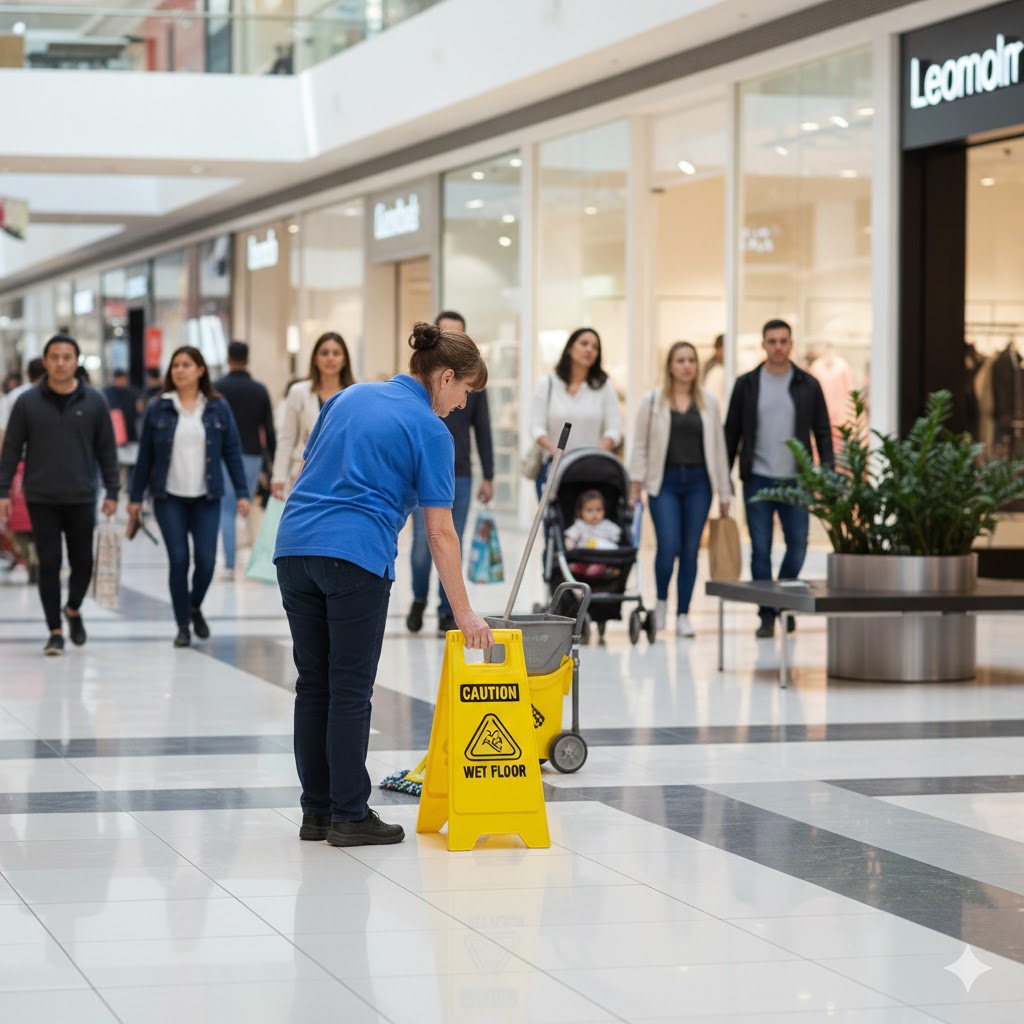
Public liability insurance generally covers a business if a third party suffers injury or property damage as a result of the business’s activities. Think of a customer slipping on a wet floor, or a contractor accidentally damaging a client’s expensive fit-out.
Here’s the key point: there is no single “standard” price in Australia. Premiums swing based on:
What actually goes into the price (what insurers are really pricing)
Insurers are not just pricing “a policy.” They are pricing the probability and likely size of a claim, plus legal costs and the uncertainty in your information.
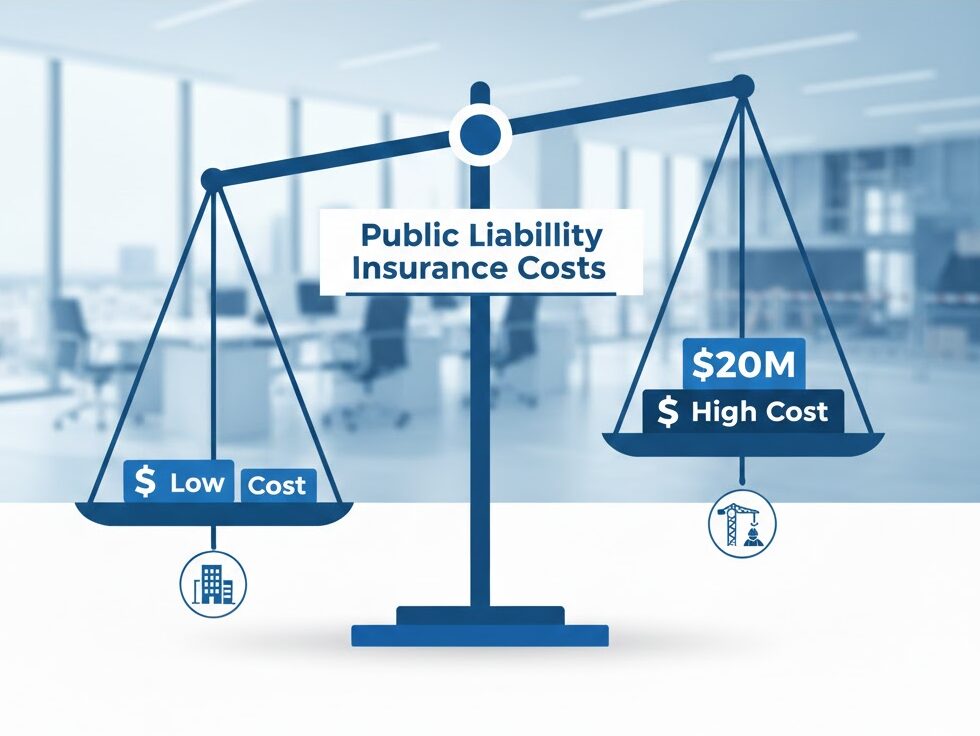
Common Coverage Limits
|
Coverage Limit |
Typical Requirement Scenario |
Pricing Impact |
|---|---|---|
|
$5 Million |
Small businesses, sole traders, basic council permits |
Lower premium range |
|
$10 Million |
Commercial leases, medium contracts, tradies |
Moderate increase |
|
$20 Million |
Government contracts, major venues, construction |
Noticeable premium jump |
Risk of someone getting hurt
Insurers look closely at anything that increases the likelihood of third-party injury, including:
Risk of property damage
Property damage claims can be large, especially in commercial premises. Factors include:
In such scenarios, having the right residential strata insurance can be crucial.
How the business is structured
Two businesses doing similar work can price differently due to structure:
Claims history
Prior incidents matter, including frequency and severity. Insurers look closely at claims history, assessing what changed after an incident:
These factors significantly influence the quote you receive from insurers.
Contractual pressure
Sometimes the premium rises because a contract demands:
The real-world price ranges in Australia (what many businesses actually pay)
The ranges below are indicative only. They vary by insurer appetite, underwriting information, and state-by-state experience. Still, they help set a realistic budget.
Indicative Annual Premium Ranges by Business Type (Australia)
|
Business Type |
Risk Profile |
Typical Annual Premium Range |
Estimated Monthly Payment |
|---|---|---|---|
|
Lower-Risk Service Businesses (consultants, designers, online services) |
Low foot traffic, minimal manual work |
$300 – $900 |
$25 – $75 / month |
|
Mobile Services / Light Manual Work (basic maintenance, home visits) |
Moderate physical exposure |
$600 – $1,800 |
$50 – $150 / month |
|
Cleaning Businesses (especially commercial) |
Slip hazards, chemical use |
$900 – $3,500+ |
$75 – $292+ / month |
|
Trades & Construction (general carpentry, plumbing, electrical) |
Physical risk + property damage exposure |
$1,200 – $6,000+ |
$100 – $500+ / month |
|
High-Risk Trades (roofing, waterproofing, heights, hot works) |
Elevated injury & large property damage risk |
$3,000 – $15,000+ |
$250 – $1,250+ / month |
|
Events & Markets (stallholders to large events) |
Crowd exposure risk |
$250 – $5,000+ |
$21 – $417+ / month |
The limit is a major price lever. Not always the biggest lever, but a meaningful one.
“From” pricing vs realistic pricing
“From $X” usually assumes:
Once the insurer learns the real scope of work, the premium often adjusts. This is normal underwriting, not bait-and-switch. It is exactly why accurate disclosure matters.
Annual vs monthly payments
Many insurers offer monthly instalments, but monthly usually costs more overall due to:
If cash flow allows, annual payment often reduces total cost.
What pushes premiums up fast (and what helps bring them down)
Premium-increasing factors
These commonly move the needle quickly:
Documentation and wording issues
Insurers price uncertainty. Vague wording can cost more than it should. Examples:
A clearer, accurate business description can lead to better terms because it reduces uncertainty.
Claims and incident history
Previous claims matter. So do patterns of incidents and disclosures. Insurers look for evidence of control:
Premium-reducing factors
What often helps:
What’s usually included, and what’s commonly excluded (so “cheap” isn’t misleading)
A low premium can be good value, or it can be a warning sign. The difference is in the detail.
Typical inclusions
Many public liability policies include:
Common exclusions and limitations
Public liability is not designed to cover everything. Common gaps include:
How to lower the cost without underinsuring (practical levers that usually work)
Lowering cost is not about stripping cover until it is useless. It is about removing avoidable pricing friction and reducing uncertainty.
Classify the business correctly
Accurate descriptions matter. Overly broad categories can trigger higher pricing.
Better: “Domestic lawn mowing and garden maintenance.”
Riskier: “Property maintenance and all services.”
Increase excess strategically
If cash flow supports it, a higher excess can help. The decision should be deliberate, not automatic.
Reduce avoidable subcontractor exposure
If subcontractors are used:
Pay annually if possible
Monthly instalments often increase the total paid over the year.
Review annually as the business changes
Businesses evolve. Turnover grows, services expand, staff numbers change. An annual review helps ensure the business is not:
Choosing a policy on value, not just price (what to compare side-by-side)
A good comparison looks beyond premium.
Coverage scope
Compare:
When considering commercial motor insurance, fleet motor insurance, or heavy motor insurance, it’s crucial to evaluate these factors carefully. Similarly, if your business involves shipping goods, don’t overlook the importance of marine cargo insurance.
For businesses in specific professions or trades, exploring options like professionals insurance or trade insurance can provide tailored coverage that meets your unique needs.
Who is insured
Confirm whether the policy covers:
Claims handling and defence costs
Check:
Contract requirements
Make sure the policy meets tender and access requirements: